

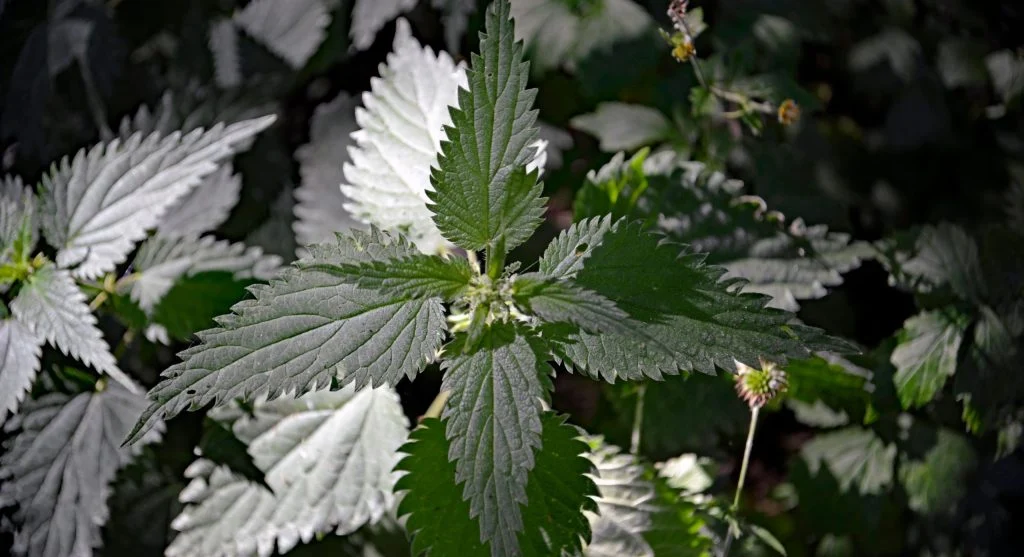
The weeds that many gardeners spend countless hours pulling, digging out, and battling are, surprisingly, some of the most nutrient-dense plants growing in the garden. Dandelions, nettles, comfrey, lamb’s quarters, and chickweed are all highly effective at drawing minerals and nutrients from the soil, often matching or even surpassing many cultivated crops. By turning these weeds into a liquid fertilizer through a simple steeping process, gardeners can convert an unwanted nuisance into a valuable asset: a free, nutrient-rich plant feed that supplies readily available minerals and growth-supporting compounds directly to the root zone of vegetables and flowers.
How Weed Fertilizer Tea Works
Weed fertilizer tea, sometimes referred to as weed extract, plant tea, or green manure tea, is created by soaking fresh weeds in water for one to four weeks. As the mixture sits, naturally occurring bacteria break down the plant material, releasing the nutrients stored within the weeds into the water in forms that plants can easily absorb. The finished liquid is typically dark brown to black and has a strong odor. It contains varying amounts of nitrogen, potassium, phosphorus, calcium, magnesium, iron, and trace minerals, depending on the weeds used. When diluted and applied around plants, it provides a gentle, balanced nutrient boost that complements regular compost and fertilizer applications.

The Best Weeds for Liquid Fertilizer
Comfrey is often regarded as the top choice for liquid fertilizer because its deep taproot pulls potassium, phosphorus, and trace minerals from soil layers that most vegetable crops cannot reach. Comfrey tea is especially high in potassium, a key nutrient for flowering and fruit production, making it particularly useful for crops such as tomatoes, peppers, and squash during their fruiting stage.
Nettles, especially stinging nettles, produce a nitrogen-rich fertilizer tea that encourages strong leafy growth. Dandelions contribute valuable potassium and calcium, while lamb’s quarters and chickweed offer a more balanced range of nutrients suitable for general garden use. Combining several weed species in the same batch often results in a broader and more complete nutrient profile than using a single type alone.
How to Make It
Fill a five-gallon bucket about halfway with freshly chopped weeds. Chopping the material helps it break down more quickly. Add water until the bucket is nearly full, then cover it loosely. Avoid sealing it airtight, as decomposition produces gases that need a way to escape.
Place the bucket somewhere away from frequently used outdoor spaces, since the mixture develops a strong smell as it ferments. Stir the contents every few days to encourage even decomposition.
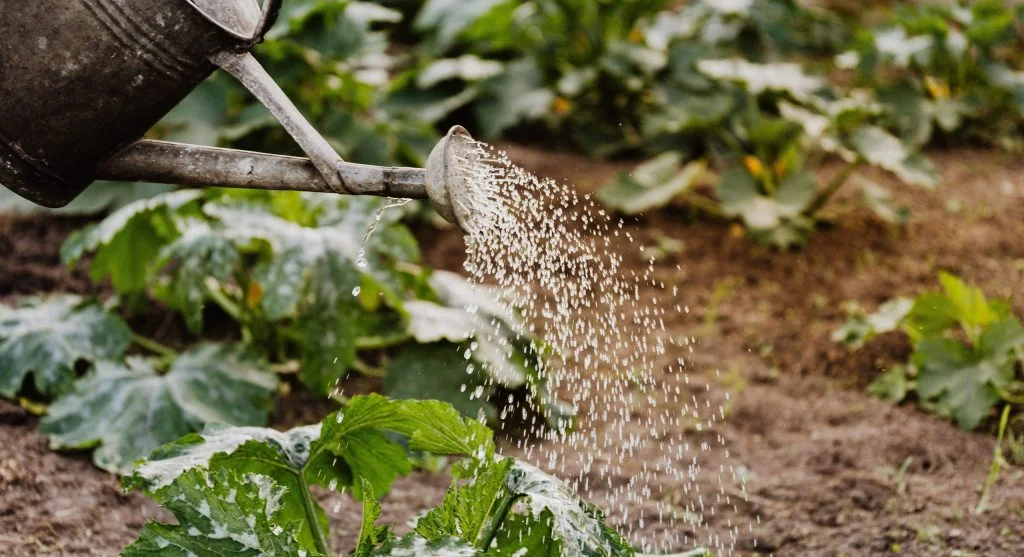
After two to four weeks, the tea is ready to use. Strain out the remaining solids and add them to your compost pile. Dilute the liquid until it reaches a light brown color. A common ratio is one part weed tea to ten parts water for soil applications, or one part tea to twenty parts water for foliar sprays. Apply the diluted solution around the base of plants every two to three weeks throughout the growing season as a supplemental fertilizer.
Important Precautions
Avoid using weeds that have already gone to seed. The steeping process does not reliably destroy weed seeds, and using the resulting liquid can unintentionally spread weeds throughout the garden. Likewise, weeds that have been treated with herbicides should never be included, as chemical residues may remain in the tea and harm the plants receiving it.
Undiluted weed tea is too concentrated for direct use and may damage plant roots, so it should always be diluted before application. It is also important to remember that weed tea is meant to supplement, not replace, compost and balanced fertilizers. While it provides a useful nutrient boost, it does not supply the organic matter, soil-building benefits, or long-term nutrient release that compost contributes to healthy garden soil.
Key Takeaway
Garden weeds can be turned into a free, nutrient-rich liquid fertilizer by soaking freshly chopped plant material in water for two to four weeks. Comfrey is especially valued for its high potassium content, making it beneficial for fruiting crops, while nettles supply nitrogen that supports healthy leafy growth. A mixture of different weeds creates a more balanced, all-purpose fertilizer tea suitable for a wide range of plants. Before use, the liquid should be diluted—typically at a ratio of 1:10 for soil applications and 1:20 for foliar sprays. For best results, use only weeds that have not yet gone to seed and that come from areas free of herbicide or chemical treatments. Although weed tea is a useful source of supplemental nutrients, it should be used alongside compost and balanced fertilizers as part of a complete soil management program rather than as a replacement for them.