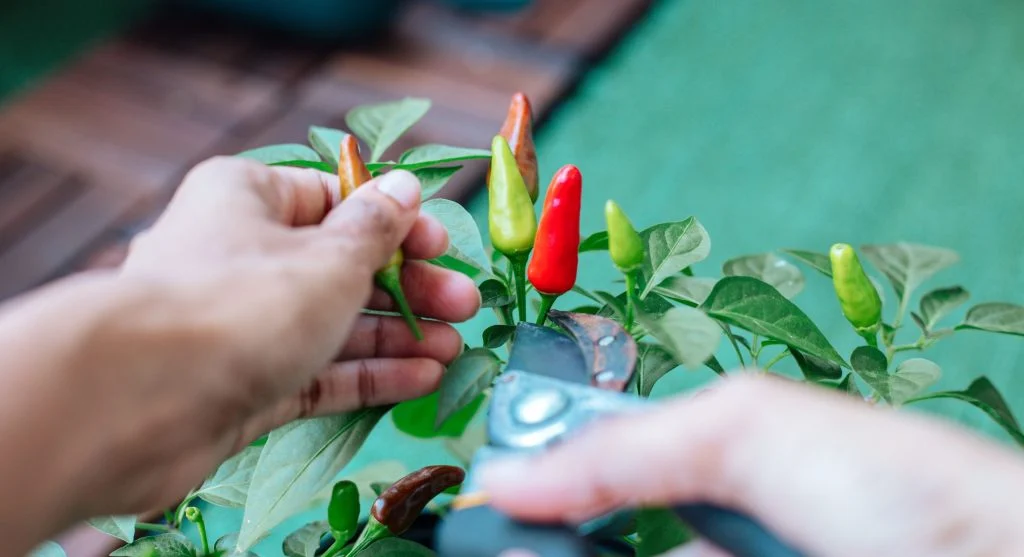

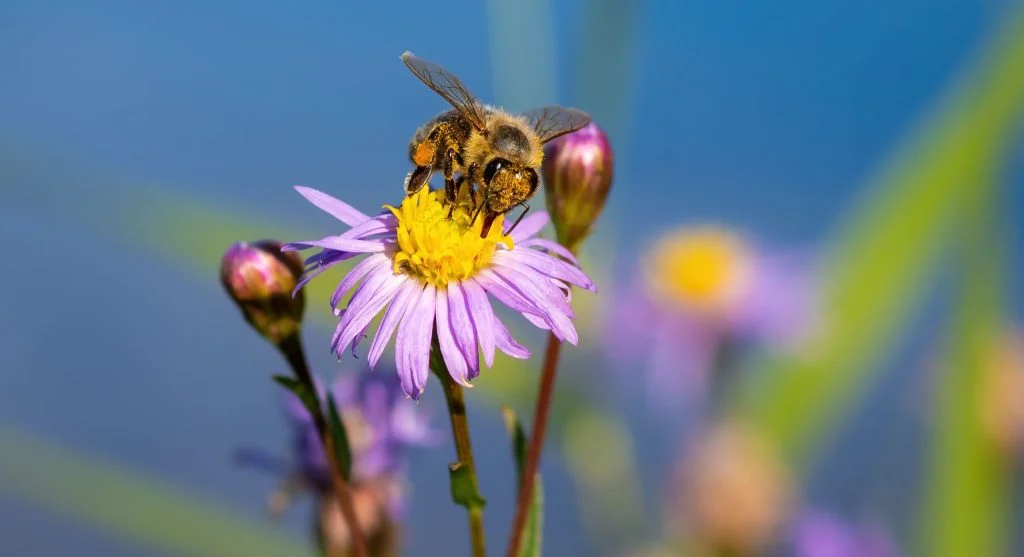
Pollinator populations including honeybees, native bees, butterflies, hummingbirds, and many other beneficial insects have been declining around the world due to habitat loss, pesticide use, disease, and changing climate conditions. Home gardens can play an important role in helping reverse this trend by providing a steady supply of nectar and pollen from early spring through late fall. A thoughtfully planned pollinator-friendly garden does not mean giving up beautiful flowers or productive vegetables. In fact, it often improves both, since the same pollinators that visit flowering plants also help pollinate tomatoes, peppers, squash, cucumbers, fruit trees, and many other edible crops growing nearby.
The Secret to Success: Keep Flowers Blooming From March Through October
One of the biggest mistakes gardeners make is choosing plants that all bloom during the same short period. While this creates an impressive display for a few weeks, it leaves pollinators with little or no food for the rest of the growing season. A successful pollinator garden provides overlapping blooms from early spring through autumn.
By including plants that flower during early spring (March–April), late spring (May–June), summer (July–August), and fall (September–October), gardeners create a reliable food source throughout the entire active season. This continuous bloom cycle helps pollinators remain healthy instead of forcing them to search elsewhere when flowers disappear.
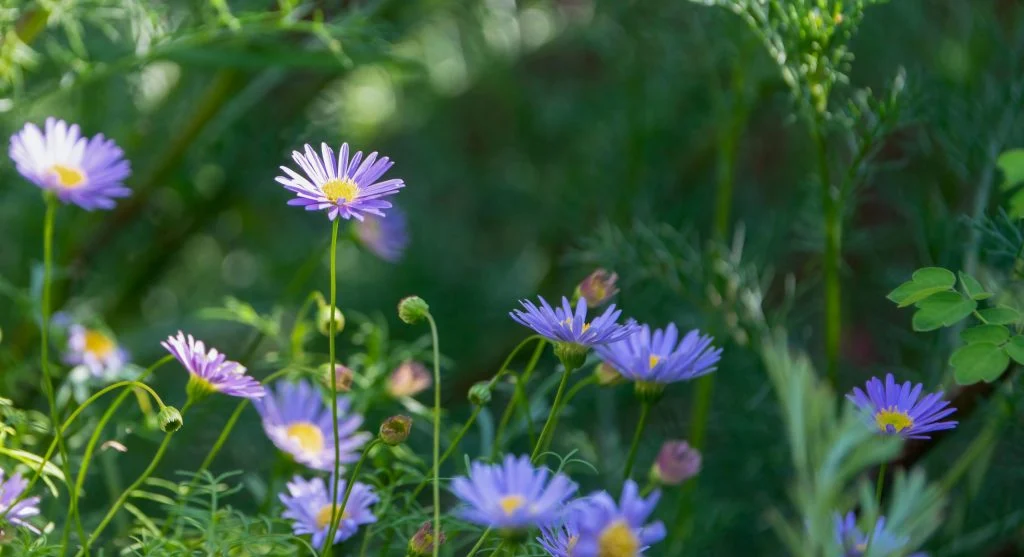
Choose Plants That Bloom Throughout the Seasons
Building a pollinator garden starts with selecting plants that flower at different times of the year rather than all at once.
Early Spring (March–April)
As winter ends, pollinators emerge with limited food available. Early bloomers provide the first important nectar and pollen sources after months of dormancy. Excellent choices include crocuses, grape hyacinths, hellebores, and early-blooming native wildflowers. These plants are especially valuable for queen bumblebees and native bees beginning their active season.
Late Spring (May–June)
As temperatures rise, pollinator activity increases quickly. Native wildflowers such as columbine and wild geranium offer abundant resources, while garden favorites like catmint, salvias, alliums, and lavender continue supplying nectar during this busy period.
Summer (July–August)
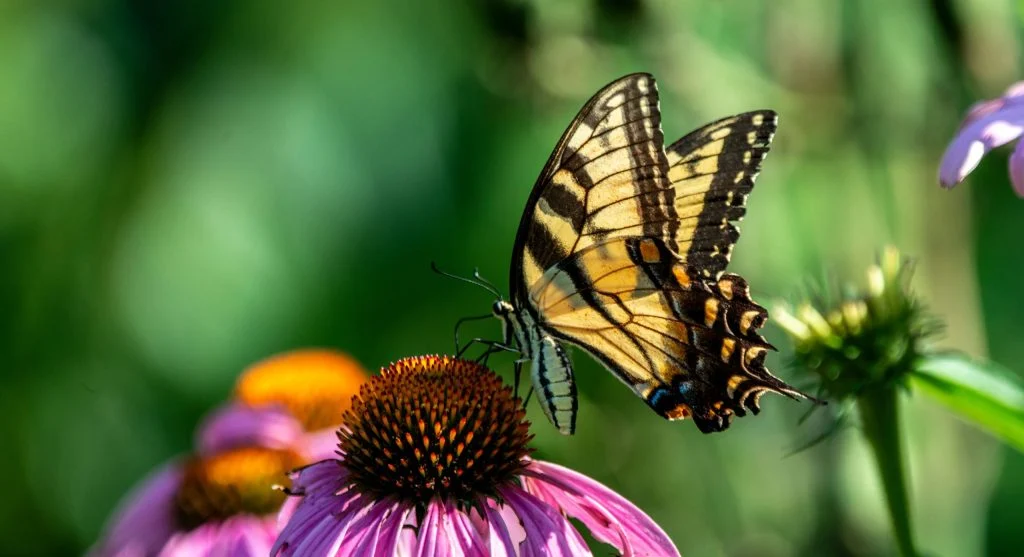
Summer is when pollinator populations are at their highest, making abundant flowers especially important. Coneflowers (Echinacea), black-eyed Susans (Rudbeckia), bee balm (Monarda), zinnias, sunflowers, and Joe Pye weed provide rich nectar and pollen that support bees, butterflies, and many other beneficial insects.
Fall (September–October)
Late-season flowers are essential because many pollinators are preparing for winter or migration. Asters, goldenrod, sedums, and late-blooming salvias offer valuable food when many other flowers have already faded. Honeybees rely on these blooms to build winter honey stores, while migrating monarch butterflies benefit from the extra energy before their long journey south.
Native Plants Should Form the Foundation
Research consistently shows that native plants support a wider variety of pollinators than most non-native ornamentals. Native flowers have evolved alongside local bees, butterflies, and other pollinating insects for thousands of years. Their bloom timing, flower shape, pollen, and nectar production naturally match the needs of local wildlife.
That does not mean gardeners should avoid all non-native plants. Reliable favorites such as lavender, borage, and zinnias are excellent additions that extend the flowering season and attract many pollinators. However, building the garden around regionally native species provides the greatest overall benefit.
Plant Flowers in Large Groups
Rather than scattering individual flowers throughout the garden, plant three to five or even more of the same species together. Large patches are much easier for bees and butterflies to locate.
Grouping flowers also allows pollinators to gather nectar and pollen more efficiently. Instead of flying long distances between isolated blooms, they can visit many flowers in one area, conserving valuable energy.
Avoid Using Pesticides Around Flowers
One of the most important steps in creating a pollinator-friendly garden is avoiding pesticides on flowering plants. Even products labeled as organic, including pyrethrin and spinosad, can be harmful to bees, butterflies, and other beneficial insects.
Whenever possible, use cultural controls, hand removal, or other non-chemical methods to manage pests. Protecting pollinators often means allowing a healthy balance between insects rather than trying to eliminate them completely.
Provide Fresh Water
Pollinators need water just as much as nectar. A simple shallow dish or saucer filled with clean water and a layer of small pebbles creates a safe drinking station. The stones provide secure landing spots so insects can drink without falling into deep water.
Refreshing the water regularly keeps it clean while reducing mosquito breeding.
Create Places for Pollinators to Nest
Food alone is not enough. Many native bees also need safe nesting sites nearby.
Ground-nesting bees benefit from small patches of bare, undisturbed soil. Other species nest inside hollow stems or tiny cavities, making it helpful to leave some dried plant stems standing through winter instead of cutting everything back in the fall.
Providing both food and shelter creates a much more complete habitat than flowers alone.
A Pollinator Garden Benefits the Whole Landscape
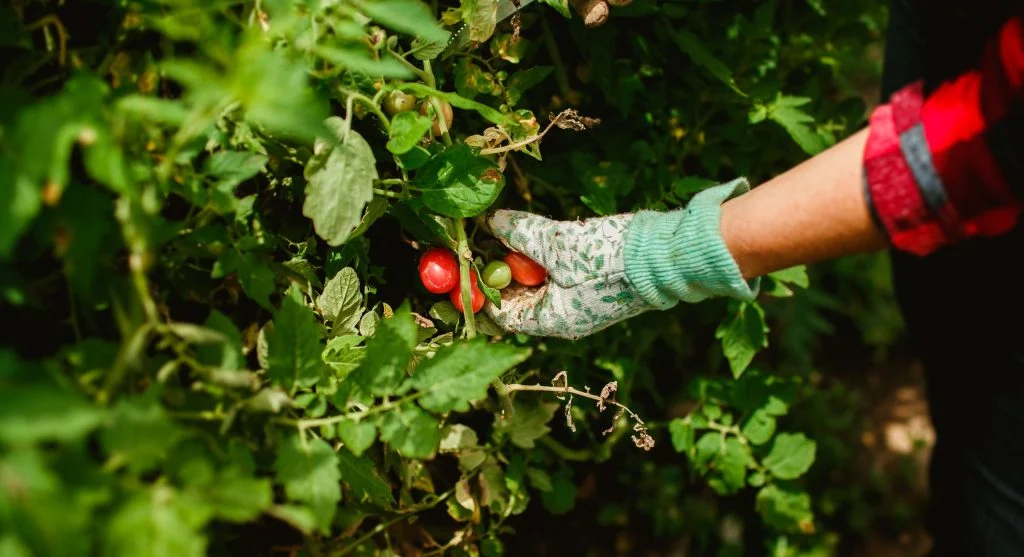
Supporting pollinators does far more than help bees and butterflies. A healthy pollinator population often improves fruit and vegetable production by increasing flower pollination. Tomatoes, peppers, cucumbers, squash, berries, apples, pears, and many other crops all benefit from regular pollinator visits.
Pollinator gardens also increase biodiversity, attract beneficial insects that naturally help control pests, and add movement, color, and wildlife to the landscape throughout the growing season.
Small Gardens Can Make a Big Difference
A pollinator-friendly garden does not have to be large. Even a small flower bed, a collection of containers on a patio, or a narrow border filled with season-long blooms can provide valuable habitat. When many home gardeners create small pollinator spaces, they collectively form connected food sources that help insects move safely across neighborhoods.
Every garden, regardless of size, has the potential to contribute to healthier local pollinator populations.
Why Continuous Bloom Matters
The greatest strength of a pollinator garden is consistency. By ensuring that flowers are available from early spring until late fall, gardeners provide a dependable source of nectar and pollen during every stage of a pollinator’s life cycle. Combined with native plants, grouped plantings, pesticide-free care, clean water, and nesting habitat, continuous bloom creates a thriving environment that supports beneficial insects throughout the season.
A pollinator-friendly garden is more than a beautiful landscape. It becomes an important refuge for wildlife while also improving the health and productivity of the entire garden.
FAQ
Why is continuous blooming important in a pollinator garden?
Continuous blooming ensures pollinators always have access to nectar and pollen throughout their active season instead of experiencing periods with little or no food.
Are native plants better than non-native flowers?
Native plants generally support more local pollinator species because they evolved together over thousands of years. However, certain non-native flowers such as lavender, borage, and zinnias can also provide valuable nectar.
Should pesticides be avoided completely?
Whenever possible, yes. Even some organic pesticides can harm bees, butterflies, and other beneficial insects, especially when applied to blooming plants.
Do pollinators need more than flowers?
Yes. They also need clean water and safe nesting areas, including patches of bare soil and hollow plant stems for native bees.
Key Takeaway
A successful pollinator-friendly garden provides continuous blooms from early spring through late fall by combining plants with different flowering periods. Native plants create the strongest foundation, while grouped plantings, pesticide-free gardening, clean water, and nesting habitats offer complete support for bees, butterflies, hummingbirds, and other pollinators. Even a small garden can become an important refuge that benefits local wildlife while improving the pollination of nearby fruits, vegetables, and ornamental plants.