
Lots of houseplant care tips are all over social media, gardening blogs and plant apps nowadays. A lot of this advice is correct, but quite a few very common things people say just aren’t backed up by science. These ideas hang around because they seem to make sense, because people who love plants and have had luck (even if it wasn’t because of what they did!) have passed them on, and because to really say they’re wrong, you’d need to understand how plants work in a way most simple guides don’t bother with. Knowing what really works and what doesn’t means you can spend your time on the care that will truly do something for your plants.
Myth 1: Ice Cubes Are a Good Way to Water Orchids
A big orchid seller started telling people to give their orchids two or three ice cubes to sit on the soil each week, as a way of making orchid care look easy. However, experts in how plants function say orchids are from the tropics and their roots are built for lovely, warm rain, not ice. If you put ice right on the orchid roots or close to them, you can actually hurt the plant’s tissues, and that’s especially true for the velamen. Velamen is the spongy outer layer of the roots which drinks up water. The American Orchid Society and nearly all horticultural courses at universities suggest you water orchids with water that’s at room temperature, and let it flow all the way through the soil until it comes out of the bottom.
Myth 2: Misting Provides Meaningful Humidity for Tropical Plants
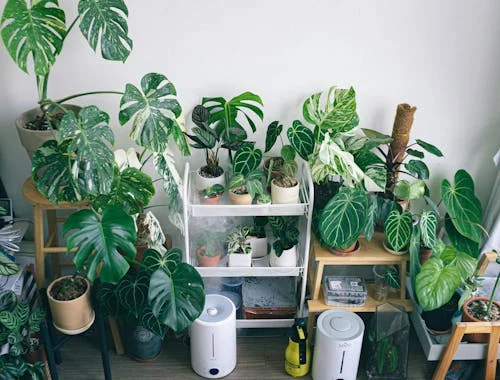
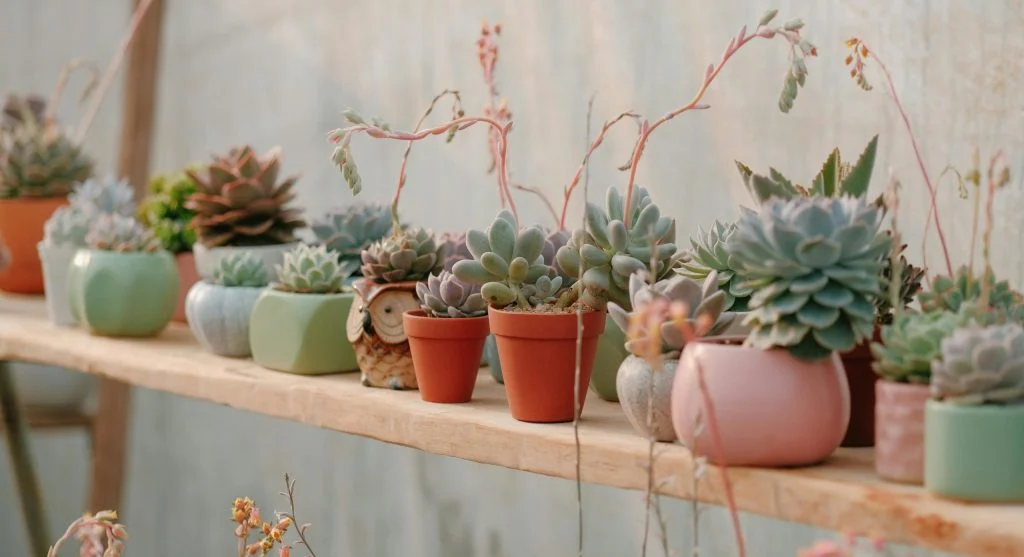
Spraying your houseplants with water to make them more humid is something a lot of people do, but it doesn’t really help much. Those little droplets of water from the spray disappear in just minutes, and the little bit of humidity they give off is gone almost as quickly. Tropical plants like calatheas, ferns, alocasias, and others needing lots of humidity actually need a humidity level of 50 to 60 percent or even more that spraying won’t hold for any length of time. To get humidity up properly you could put your plants in a bunch together (as all of their leaves releasing water will increase the humidity around them), set the plant pots on trays of pebbles and water (the water evaporating will make a more humid area right around the plants), or use a humidifier and set it for 50 to 60 percent. And spraying water on the leaves can also make fungal problems start on plants with fuzzy or interestingly textured leaves.
Credit: Pew Nguyen / Pexels
Myth 3: Putting Rocks in the Bottom of a Pot Improves Drainage
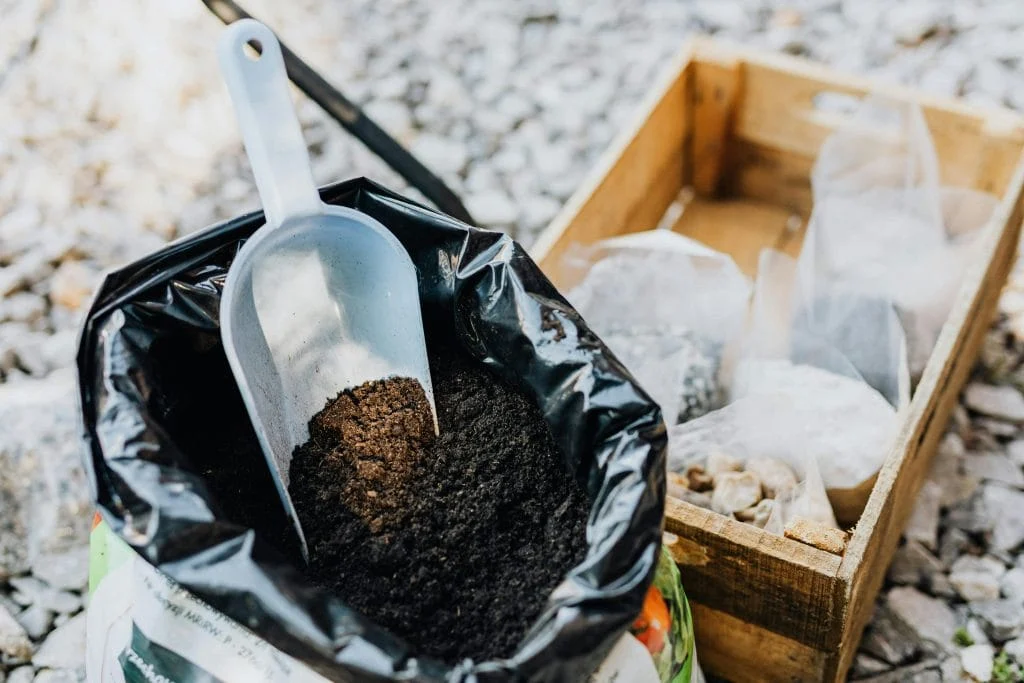
Lots of people believe in putting a layer of gravel or stones in the bottom of a pot before you put the soil in, but this is a really common mistake in container gardening. Soil science has shown over and over that gravel doesn’t help water drain; instead, it builds a sort of water line where the gravel and soil meet. This means water gathers in the soil above the stones, not going through them. The soil has to be completely soaked through before gravity will manage to pull the water down through the difference in texture and into the coarser gravel. Essentially, the area where the roots are will remain soggy for a longer period of time than if you’d just used soil filling the whole pot. Good drainage comes from using a soil mix that drains well, and having enough drainage holes in your pot, not from adding stones to the bottom.
Myth 4: Talking to Plants Helps Them Grow
People have believed since the 1970s, thanks to a bunch of books saying so, that plants react to us when we talk to them. Plants do respond to shaking (wind making their stems thicker is an example of this), but the sound of our voices isn’t strong enough to cause that. When scientists have carefully compared the growth of plants listened to and plants in quiet, they’ve never found any actual difference. The reason people’s plants seem to do better if they are talked to is probably because those people are around their plants more, and because of this they find bugs more quickly, water them at just the right time, and give them all-round better attention.
Myth 5: Brown Leaf Tips Always Mean the Air Is Too Dry
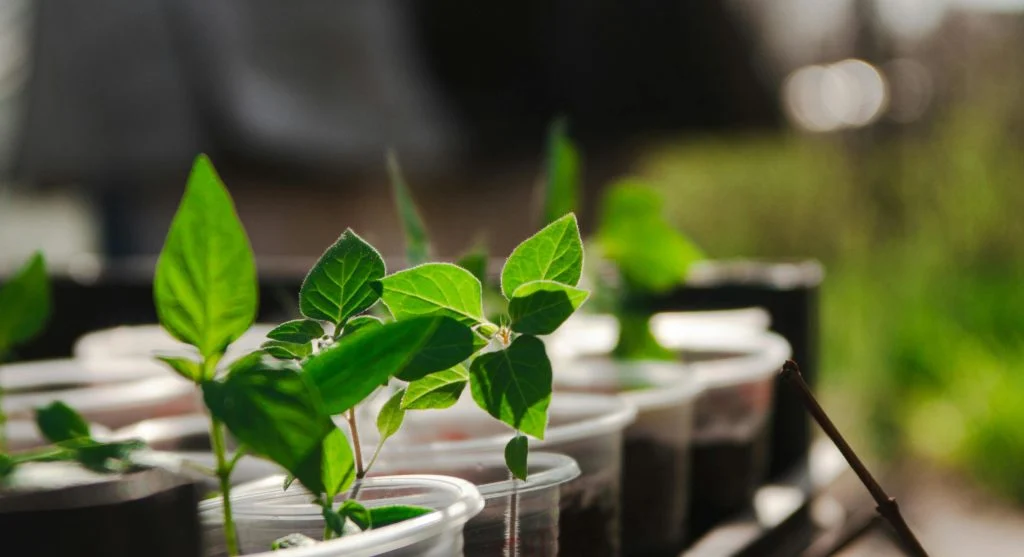
Some tropical plants get brown leaf tips if the air is very dry, but a lot of other fairly typical things do the same thing. These include not watering regularly, letting the soil become too dry between each time, too much fluoride or chlorine in your tap water, using too much fertilizer which causes salt to build up and “burn” the leaves, roots being harmed by being kept too wet, and the leaf being damaged just by brushing against a cold window. If you just add more humidity because of those brown tips, without looking into what’s really going on, you might not fix the issue. So, before you change the humidity, you should carefully look at how often you water, what your water is like, and how much fertilizer you’re using.
Credit: Boryslav Shoot / Pexels
Myth 6: Repotting Should Be Done Every Year
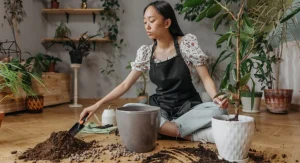
Lots of plant care advice says to repot every year, but most indoor plants, and especially slower growers like snake plants, ZZ plants, rubber plants, are perfectly happy staying in the same pot for two, three or even more years without getting sick. Repotting when it isn’t needed bothers the roots, stresses the plant out when you move it, and makes it much easier to give it too much water in a pot that’s too big. You should only repot when the plant tells you to – when the roots are crammed in, are poking out of the bottom, or the water goes straight on through instead of being soaked up. Don’t do it just because of the date!
Myth 7: All Houseplants Purify Indoor Air
The idea that houseplants are really good at cleaning the air inside our homes comes from a 1989 NASA study. It did show that some plants can get rid of volatile organic compounds (VOCs) from totally closed spaces. However, more study has shown that in a usual room, the amount of cleaning houseplants do is very small, because rooms have so much air. A review in the Journal of Exposure Science and Environmental Epidemiology in 2019 worked out you’d require hundreds of plants in each room to noticeably improve air quality just by the plant filtering it. Houseplants are good for you, offering nice looks, lowering stress, and adding moisture to the air, but you shouldn’t expect them to significantly purify the air.
Key Takeaway
Lots of popular advice for houseplants, like giving orchids ice cubes to drink, spraying them with water for humidity, putting pebbles in the bottom of pots to improve drainage, chatting with them, thinking brown leaf tips are caused by dry air, re-potting every year, and believing they’ll significantly clean the air around you, don’t really work or come from a misunderstanding of what is actually going on. If you swap these old wives’ tales for methods that are supported by research – using water at room temperature, a humidifier for plants that like the tropics, a potting mix that drains well, finding out exactly what’s wrong with your plant when something goes wrong, and only re-potting when the plant actually needs it – your plants will do much better and you won’t be wasting your time.