
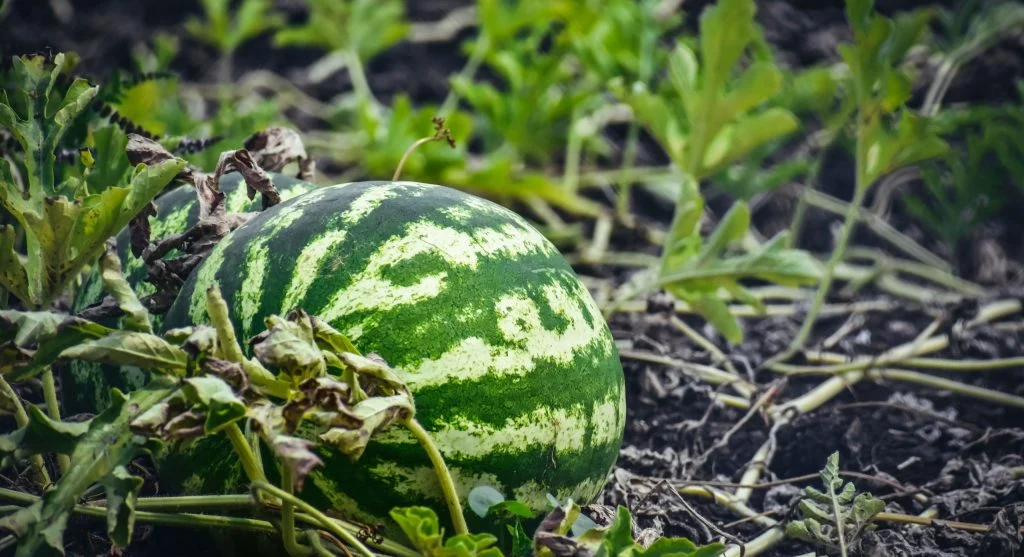
Watermelons are often seen as sprawling, space-hungry plants that need a large garden bed to grow well. That reputation can make gardeners with limited space avoid them altogether. But compact, personal-sized watermelon varieties have made it much easier to grow melons in small gardens, containers, and even on vertical supports. These smaller varieties produce three-to-eight-pound fruits that are the right size for two to four people and take up far less room than standard watermelons. With the right variety and growing method, one large container or a four-foot trellis section can produce several sweet, ripe watermelons in a single season.
Compact Varieties That Fit Small Spaces
Choosing the right variety is the most important step when growing watermelons in a small space. Standard watermelon varieties often produce 20-to-30-pound fruits on vines that can sprawl 15 to 20 feet, which is not practical for most small gardens. Compact varieties bred for shorter vines and smaller fruit make the process much more manageable.
Sugar Baby produces round 8-to-10-pound melons on relatively compact vines that usually reach six to eight feet, making it a long-time favorite for small gardens. Mini Love is a newer option that produces personal-sized three-to-five-pound melons on very compact vines, which makes it especially useful for container growing. Golden Midget produces small, early-maturing melons with yellow rinds that change color as they ripen, helping remove much of the guesswork from harvest timing.
Container Growing: Size and Setup
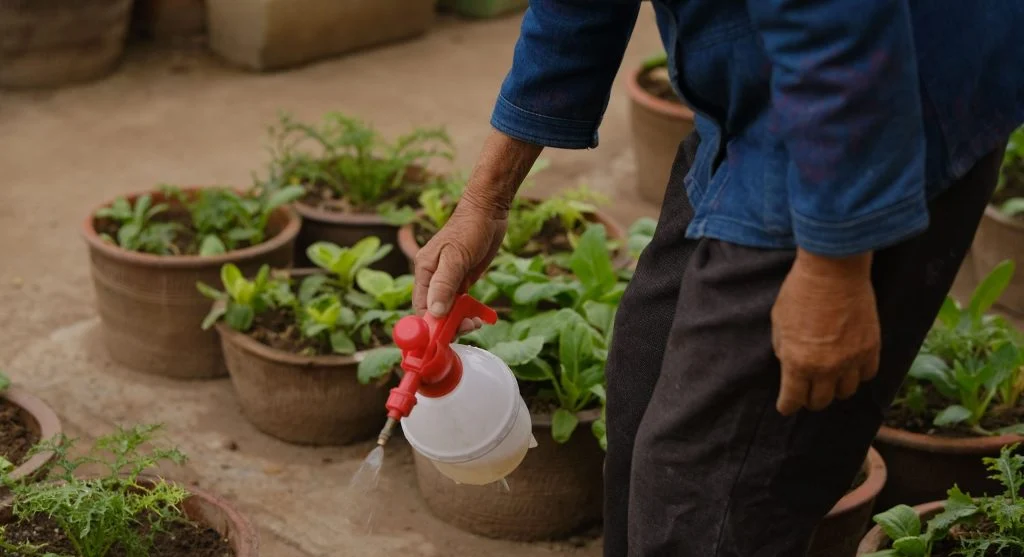
Watermelons can grow well in containers that hold at least 15 to 20 gallons. Half whiskey barrels, large fabric grow bags, or repurposed storage totes with drainage holes drilled into the bottom can all work. The container should be filled with a lightweight, well-draining potting mix, along with compost to help retain nutrients.
One watermelon plant per container is the right spacing. Crowding too many plants together reduces fruit size and can increase disease problems. Place the container in the sunniest spot available, where the plant can receive eight or more hours of direct sunlight each day. It should also sit on a surface strong enough to handle the weight of wet soil and developing fruit, since a mature container watermelon plant with soil can weigh 60 to 80 pounds.
Consistent watering is essential. In hot weather, container-grown watermelons may need water every day. A drip irrigation system or self-watering container can make moisture management much easier and help keep growth steady.
Vertical Growing on a Trellis
Training watermelon vines vertically on a sturdy trellis can reduce the plant’s ground footprint to about four square feet. The trellis needs to be strong enough to support the weight of developing fruit. Cattle panels, heavy-duty wooden frames, and reinforced metal A-frames are all suitable choices.
As discussed in the companion article on vertical squash growing in this series, each fruit should be supported with a fabric sling once it reaches about softball size. Slings made from old t-shirts, mesh produce bags, or pantyhose can cradle the growing melon and shift the weight onto the trellis instead of the vine stem. Without support, the fruit may pull too hard on the stem, causing it to tear and drop before harvest.
Pollination, Feeding, and Knowing When to Harvest
Watermelons need insect pollination. Each female flower must be visited by bees carrying pollen from a male flower. In small gardens where pollinator activity is limited, hand pollination can help ensure reliable fruit set. This can be done by transferring pollen with a small brush or by touching the male flower’s anthers directly to the female flower’s stigma.
Watermelons are heavy feeders. They benefit from a balanced organic fertilizer at planting, a nitrogen-heavy side-dressing when the vines begin to run, and a potassium-heavy feeding once the first fruits start to develop.
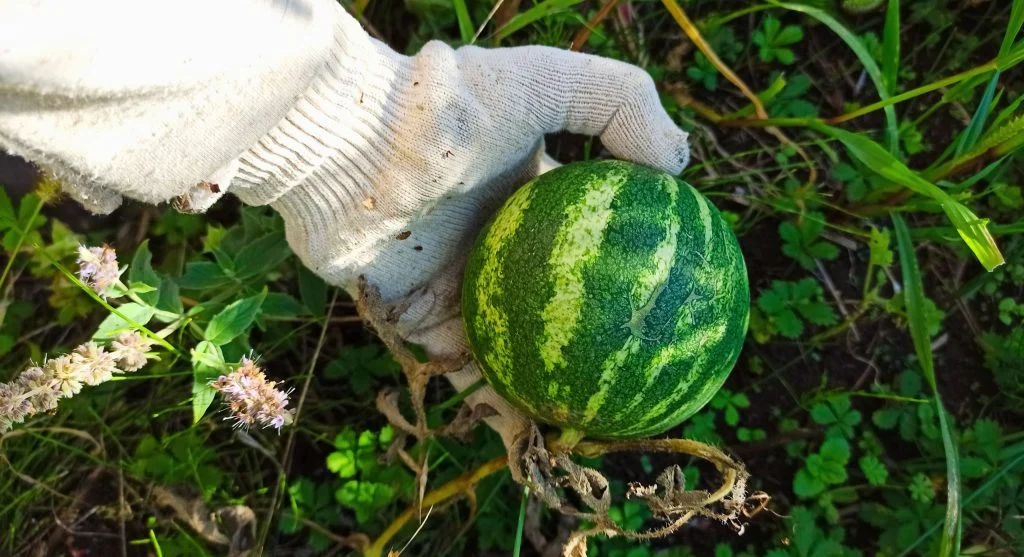
For most varieties, the best sign of ripeness is the tendril closest to the fruit stem. When that curly tendril turns brown and dries, the melon is usually ripe. The ground spot, which is the pale area where the melon rested on the ground, should also change from white to creamy yellow. For trellised melons, this same color change appears on the side facing away from the sun.