

Fall is when many gardeners mentally step away from the garden. The growing season feels finished, the harvest is slowing down, and the couch often looks much more appealing than another round of garden work. But agricultural extension educators consistently advise that a few hours of low-effort work in October and November can produce spring benefits that far outweigh the time invested. These are not intensive projects that require heavy labor. They are simple, strategic tasks that use winter’s natural processes, including decomposition, freeze-thaw soil loosening, and biological cycling, to do much of the work while the gardener rests.
1. Dump Shredded Leaves on Empty Beds
Shredding fall leaves with a lawn mower and spreading four to six inches of the shredded material over empty garden beds takes about 20 to 30 minutes and creates what soil scientists consider one of the best free soil amendments available. Over winter, the shredded leaves partially break down, forming a layer of partly decomposed organic matter that earthworms pull into the soil and microorganisms turn into humus.
By spring, the thick leaf layer has usually settled into a one-to-two-inch blanket of crumbly, dark material that can be lightly worked into the soil at planting time. The leaf layer also suppresses winter weeds and protects the soil surface from erosion. There is no turning, no composting setup, and no extra effort beyond the initial shredding and spreading.

2. Scatter Compost on the Surface Don’t Even Dig It In
Spreading one to two inches of finished compost across garden beds in fall and leaving it on the surface, without digging or mixing it in, is a legitimate and effective amendment method known as top-dressing. Winter rain, freeze-thaw cycles, and earthworm activity gradually move nutrients and organic matter down into the root zone during the dormant months.
By spring, the compost has been worked into the top several inches of soil with no extra labor from the gardener. Fall top-dressing also disturbs soil structure less than spring digging and gives amendments time to integrate before the first seeds are planted.
Plant Garlic
As explained in an earlier article in this series, garlic planted in October takes about 15 minutes per bed and produces a crop worth 50 to 100 dollars the following July. No fall garden task offers a higher return on investment per minute of effort.
3. Toss Cover Crop Seeds on Bare Soil
Broadcasting winter rye or crimson clover seeds over empty beds, literally scattering them by hand across the bare soil and raking lightly to improve seed-to-soil contact, takes about five minutes per bed. In return, it provides four months of erosion protection, weed suppression, and soil biological activity.
The cover crop is cut down in spring and incorporated into the soil, adding organic matter and, in the case of clover, free nitrogen.
4. Test the Soil
Collecting a soil sample and mailing it to the extension lab in fall means the results arrive during winter, when the gardener has time to read the report, plan amendments, and order any needed products. Spring-submitted samples compete with thousands of other gardeners’ submissions and may not come back before planting season begins.
A fall soil test, followed by fall application of lime or sulfur when needed, helps ensure the soil is in better condition by spring. Lime and sulfur both need months to adjust pH, which makes fall the ideal time to apply them.
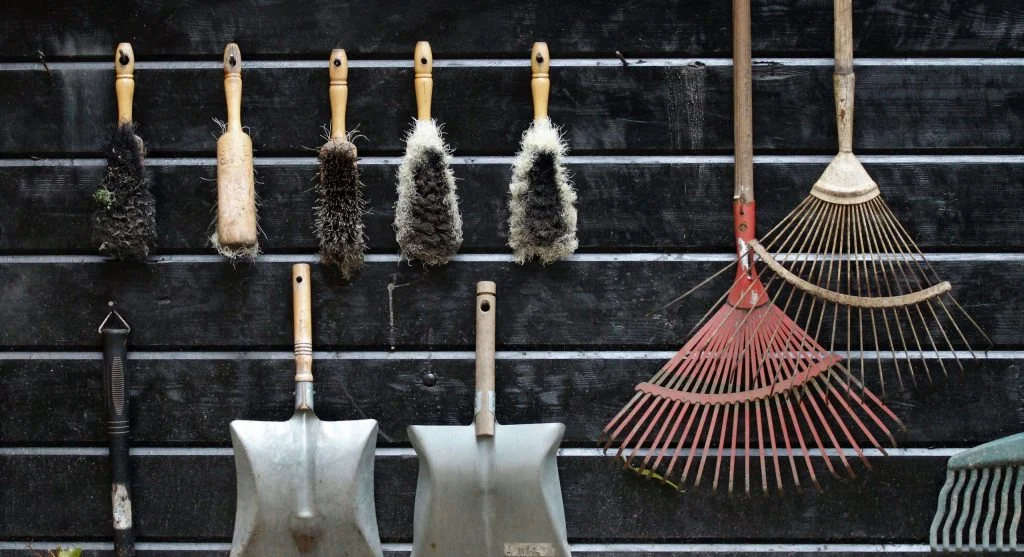
5. Clean and Oil Tools Before Storing Them
Spending 20 minutes cleaning soil from metal surfaces, sharpening blade edges, and wiping metal parts with a light coat of oil, such as vegetable oil or mineral oil, helps prevent rust and deterioration during winter storage. Starting spring with sharp, clean, rust-free tools saves time, reduces frustration, and creates cleaner cuts that heal faster and lower the risk of disease entry points on plants.
Tool maintenance is one of the garden tasks most often postponed, but it is also one of the most immediately rewarding when it actually gets done.