
Grow lights are one of the most useful upgrades a houseplant owner or indoor gardener can make, but they are also surrounded by a lot of marketing confusion. The grow light industry sells everything from 15-dollar clip-on LEDs to 500-dollar professional fixtures, often using terms like “full spectrum,” “PAR values,” and “PPFD ratings” in ways that leave beginners unsure what is actually worth buying. The reality is simpler than many product pages suggest. Most home indoor growing needs, including houseplant support, seed starting, herb gardens, and microgreen production, can be handled with affordable, widely available lights that cost much less than many specialty products marketed to indoor gardeners.
What Plants Actually Need From Light
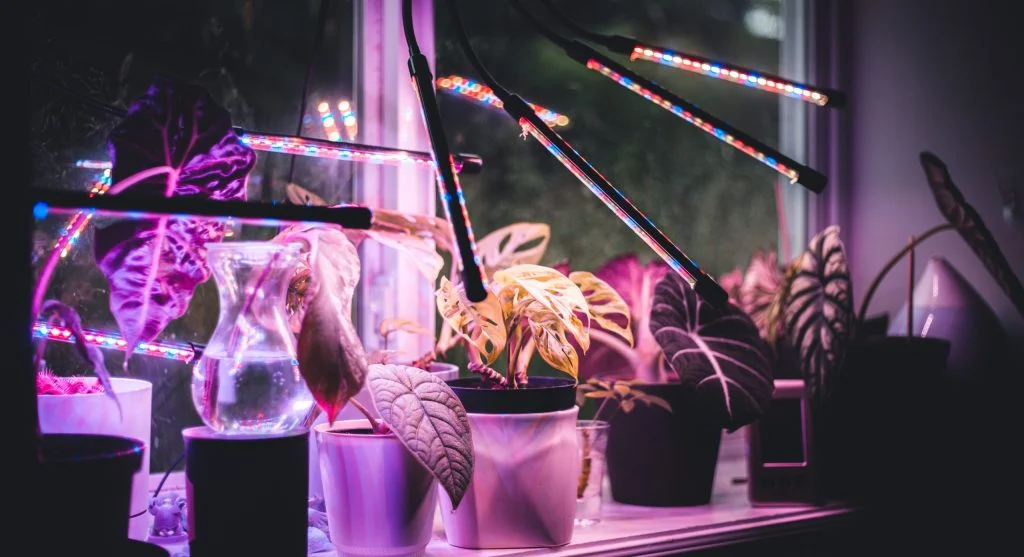
Plants use light energy most strongly in two main wavelength ranges: blue light, around 400 to 500 nanometers, for vegetative growth such as leaves and stems, and red light, around 600 to 700 nanometers, for flowering and fruiting. Older “blurple” grow lights, the purple-looking fixtures that produce mainly blue and red wavelengths, were designed around this idea.
However, those lights can be unpleasant in living spaces and have largely been replaced by full-spectrum white LEDs. These produce all visible wavelengths, including the blue and red light plants need most, while appearing as normal white light to the human eye. Full-spectrum white LEDs work well for common indoor growing needs and are much easier to live with than the purple glow of earlier grow light designs.\
For Houseplant Supplementation: Small and Simple
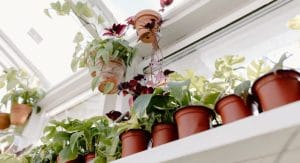
Houseplants that need extra support in low-light rooms or during short winter days do not require powerful or expensive fixtures. A 10-to-20-watt LED bulb in a standard desk lamp or clip-on fixture, placed 12 to 18 inches from the plant and run for 10 to 12 hours daily on a timer, can provide enough supplemental light for foliage maintenance and modest growth.
LED “grow bulbs” that screw into standard E26 light sockets, usually costing 15 to 25 dollars, are one of the most convenient options. They fit into existing lamps or clamp fixtures and produce enough light for two to four medium-sized houseplants within a two-to-three-foot radius. These lights are not strong enough for seed starting or high-light crops, but they are fully adequate for keeping houseplants healthier through winter.
For Seed Starting and Indoor Food Growing: Shop Lights
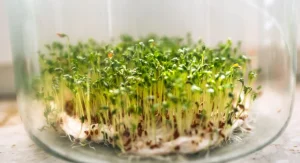
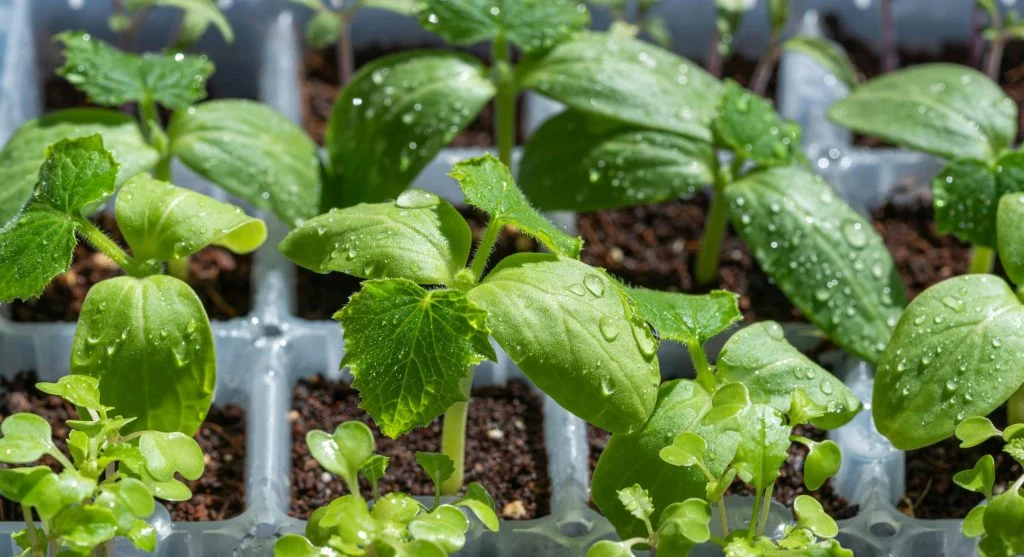
Vegetable seedlings, herbs, lettuce, and microgreens need much stronger light and longer daily exposure than houseplants. They usually do best with 14 to 16 hours of light each day. For this use, the most cost-effective option is often a two-foot or four-foot LED shop light, the same type sold at hardware stores for garages and workshops.
A 4-foot, 40-watt LED shop light, usually costing 15 to 25 dollars, positioned two to four inches above the seedling canopy can produce light intensity similar to specialty “grow light” fixtures that cost three to five times more. The main specification to look for is a color temperature of 5000K to 6500K, often labeled “daylight” or “cool white.” This provides the blue-heavy spectrum that helps seedlings grow compact and sturdy. Two shop lights mounted side by side can cover a standard 10-by-20-inch seed tray.
For Flowering and Fruiting Indoors: Higher Wattage
Growing plants indoors all the way to flowering and fruiting, such as tomatoes, peppers, strawberries, or cannabis where legal, requires much more light than simple foliage care or seedling production. Specialty LED grow panels in the 100-to-300-watt range, often costing 80 to 300 dollars, provide the intensity and red-wavelength support needed for flower formation and fruit development.
These fixtures are a real investment and are mainly useful for dedicated indoor food production rather than casual houseplant care. Gardeners considering this level of indoor growing should learn about PAR, or Photosynthetically Active Radiation, and PPFD, or Photosynthetic Photon Flux Density. These are the measurements that describe light output relevant to plant growth, unlike wattage, which only measures electricity use rather than usable light.
The Numbers That Actually Matter
When comparing grow lights, the most helpful specifications are wattage, color temperature, and PPFD at a given distance. Wattage helps estimate electricity cost. Color temperature shows whether the light is better suited for seedlings and foliage, usually 5000K to 6500K, or flowering, usually 3000K to 4000K. PPFD shows the actual amount of usable light reaching the plant canopy, measured in micromoles per meter squared per second. Higher PPFD generally means more usable light for the plant.
A light that costs more but produces more PPFD per watt can be a better value than a cheaper light that produces less usable light for the electricity it uses. For most home growing situations, however, comparing every detail is not necessary. Any full-spectrum LED fixture from a reputable manufacturer, sized properly for the growing area, can produce solid results for common indoor gardening needs.
Key Takeaway
Grow light selection depends on what you are growing. Houseplant supplementation usually needs only a 10–20 watt LED bulb in a desk lamp, which typically costs 15–25 dollars. Seed starting and indoor food growing work well with LED shop lights, usually 15–25 dollars per fixture, with a 5000K–6500K color temperature. These lights should be placed 2–4 inches above the plants and run for 14–16 hours a day. Indoor flowering and fruiting plants need stronger specialty panels, usually 100+ watts and around 80–300 dollars. Full-spectrum white LEDs have mostly replaced purple “blurple” lights for home use. For most indoor gardeners, a basic LED shop light delivers professional-quality results at a much lower cost than specialty fixtures.