
Perennial herbs — including rosemary, thyme, sage, oregano, chives, mint, and lavender are some of the most useful and economical plants in a kitchen garden. Once established, they return year after year with very little replanting effort. But “perennial” does not mean “impossible to kill.” Without the right winter protection, cold-sensitive herbs can suffer crown damage, frozen roots, dieback, or complete loss during severe winters.
The winter needs of perennial herbs vary widely from one species to another. Treating them all the same can cause just as many problems as ignoring them completely. Knowing which herbs are truly cold-hardy, which need extra protection, and which must be moved indoors gives the whole herb collection a much better chance of surviving and producing again in spring.
Hardy Herbs That Need Minimal Protection
Chives, mint, oregano, and thyme are among the toughest perennial herbs. They can usually survive winters in zones 3 through 4 without much trouble. These plants naturally die back to the ground in fall and then regrow from their root crowns when spring returns.
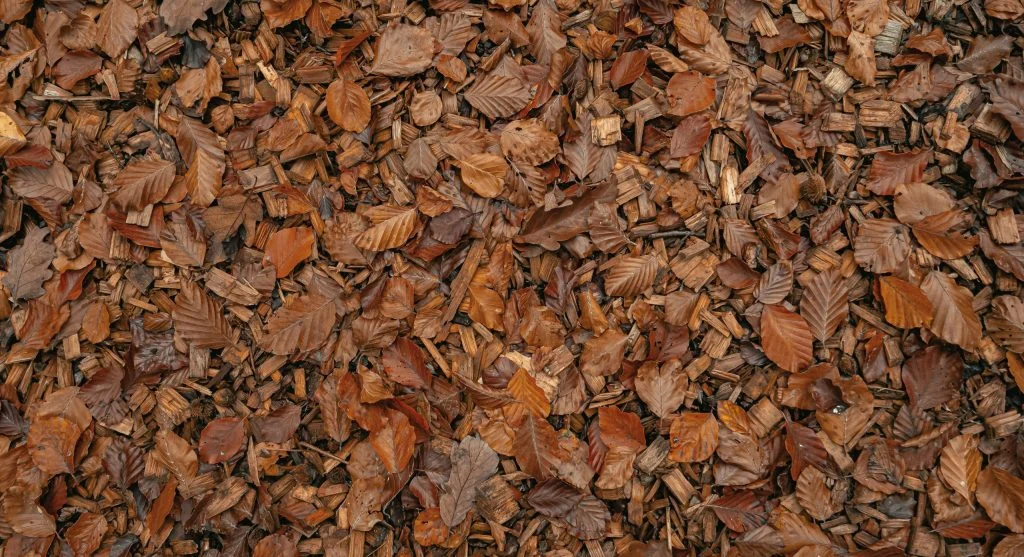
The only winter protection they usually need is a three-to-four-inch layer of mulch, such as straw, shredded leaves, or pine needles. This mulch should be applied after the ground has started to freeze, not before. Mulching too early can hold too much moisture around the crown and encourage rot.
The goal of mulch is not to keep the plants warm in the usual sense. Its real purpose is to protect the soil from repeated freeze-thaw cycles. Those cycles can push plant crowns out of the ground and expose roots to drying winter air, which can be fatal.
Semi-Hardy Herbs That Need Extra Protection
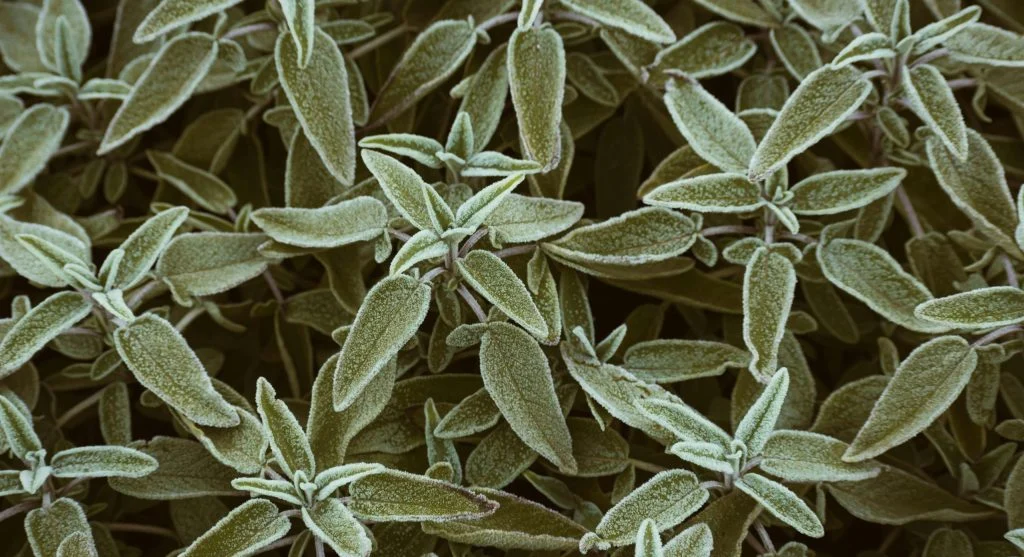
Sage and lavender are generally hardy to about zone 5, but they can struggle in colder areas without added protection. Both are Mediterranean herbs that developed in well-drained, fairly dry winter conditions. For these plants, wet, poorly drained winter soil is often more dangerous than the cold itself.
Good drainage is the most important factor in helping sage and lavender survive winter. Raised beds or sloped planting sites are much better than low, soggy areas. A thick mulch layer can help, and in zones 4 and colder, extra protection may be needed. A temporary burlap windscreen or an overturned bucket with ventilation can help shield the plants from drying winter winds and ice damage without trapping too much moisture.
Tender Herbs That Must Come Indoors
Rosemary is one of the perennial herbs most often lost during winter. The problem is that many gardeners in zones 6 and colder treat it like a reliable outdoor perennial, even though rosemary is dependably winter-hardy only in zones 7 and warmer.
In colder climates, rosemary should be grown in a container so it can be moved indoors before the first hard frost. Once inside, it needs the brightest light available, ideally from a south-facing window or a supplemental grow light. It also prefers cool temperatures around 60°F to 65°F and should not be placed near a heat vent.
Watering must be handled carefully. The soil should dry slightly between waterings. Indoor rosemary declines quickly when it is kept too warm or too wet. It does best in conditions that feel more like a cool greenhouse than a heated living room.
Lemongrass, lemon verbena, and bay laurel are also tender perennial herbs that need to be potted and brought indoors anywhere winter temperatures drop below 30°F. All three can adjust reasonably well indoors as long as they receive bright light and moderate watering.
Spring Recovery: When to Remove Winter Protection
Winter mulch should be removed gradually in early spring as temperatures rise and new growth begins to appear. Leaving mulch in place too long can smother young shoots and hold excess moisture around the crown.
Remove the mulch in stages over one to two weeks. Start by pulling it back from the crown, then remove the outer layer later. This gradual approach helps prevent sudden exposure if a late cold snap arrives.
Dead stems and old foliage from the previous season should be cut back to ground level once fresh green growth is clearly visible at the base. This gives the returning plant better access to sunlight and improves air circulation as it begins growing again.
Key Takeaway
Perennial herbs generally fall into three winterization groups. Hardy herbs, such as chives, mint, oregano, and thyme, usually need only a layer of mulch after the ground freezes. Semi-hardy herbs, including sage and lavender, need excellent drainage, along with mulch and wind protection in colder zones. Tender herbs, such as rosemary and lemongrass, should be grown in containers and brought indoors in zones 6 and colder. Most winter losses happen because of wet, poorly drained soil, not cold temperatures alone. In early spring, winter mulch should be removed gradually to avoid smothering new growth.