
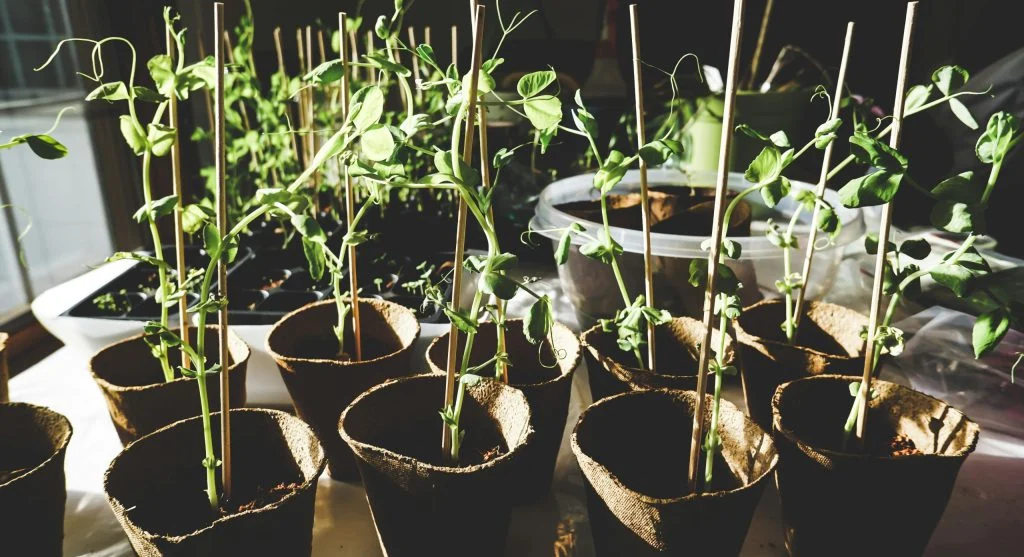
Many gardeners who start seeds inside find their seedlings becoming overly long and spindly, and this is a really typical issue. You’ll easily know what’s happening: the stems become strangely tall and thin, tilting or curving towards the light, and often they fall over because they’re so weak. Being “leggy” doesn’t automatically kill a plant, but it does show it isn’t getting what it needs to grow, and it will just get weaker unless you find the reason for it.
Not enough light is the main cause of this stretching. When seedlings don’t get enough light, or the light isn’t on for long enough, they reach up for more – which makes sense for a plant trying to survive in the shade of a forest, but makes for a wonky structure in a seed tray. Temperature, how the air moves, and how closely you’ve planted the seeds are important too. Fortunately, most leggy seedlings can be fixed and will grow to give you a good harvest if you deal with the problem fairly quickly.
1. Move Seedlings Closer to a Stronger Light Source
To really fix those stretched-out seedlings, giving them more light is the best thing you can do. If you’re using grow lights, get them just two to four inches above the seedlings and have them on fourteen to sixteen hours each day. And when using sunlight from a window, put the seedlings in the brightest south-facing window you have. Often though, you’ll also need to use grow lights, as even very sunny windows just don’t usually give seedlings enough light during the short days of late winter and early spring.
2. Lower the Room Temperature Slightly
When it gets warm, seedlings’ stems get longer, and this happens even more quickly if they aren’t getting much light. Once seedlings have appeared, dropping the temperature of the room to somewhere between 60 and 65 Fahrenheit will make them grow upwards more slowly and will instead encourage them to build sturdier stems and wider leaves. Lots of gardeners who have been doing this for a while use a heat mat only to get the seeds to sprout, then they take it away at once. That’s to avoid the warm soil with not much light that causes plants to become long and spindly.
3. Run a Fan on Low Speed Near the Seedlings
When a little oscillating fan makes a soft breeze, it encourages the stems of young plants to get thicker because they bend with the moving air. This is a process called thigmomorphogenesis, and it’s like how plants get stronger from the wind when they’re outside. If you use a fan for a few hours each day (pointing it in the general area of, but not right at, the seedlings) you’ll get plants that are shorter, more solid. And, many gardeners find they can get plants to be equally as strong by lightly running their hands over the tops of the seedlings every day.
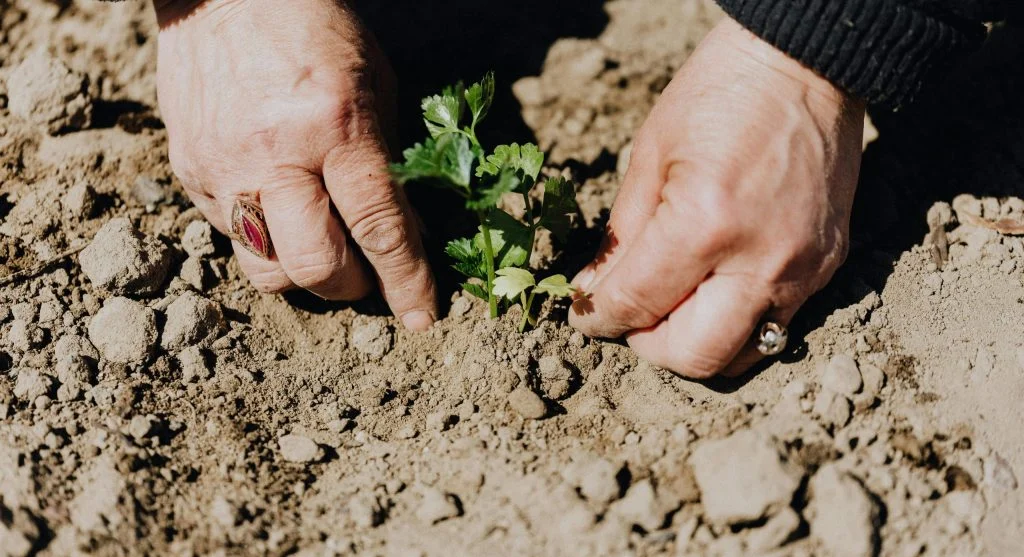
4. Bury the Stem Deeper When Transplanting
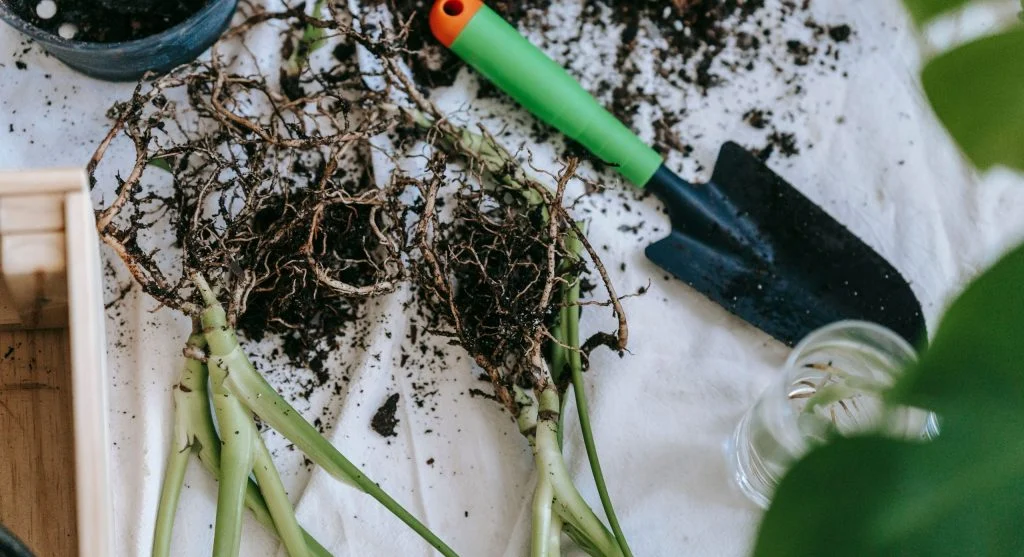
Tomatoes, particularly, can grow roots on the parts of their stems that are under the soil. If your tomato plant is long and spindly when you’re moving it to a bigger pot, you can put soil all the way up the stem, almost to the first leaves. That part of the stem that is covered in soil will then send out new roots, turning a potentially floppy bit of the plant into a much stronger root system. This is a great trick for tomatoes, but with other plants, be careful – they don’t all make roots from stems beneath the ground.
Credit: . ▃ / Pexels
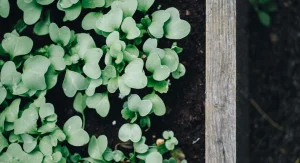
5. Thin Overcrowded Seedlings
If you let little plants get too packed together, they’ll all fight each other for sunshine and start to grow really tall trying to get over the ones next to them. Removing the runty ones gives the remaining plants room and brightness, and because of that they won’t shoot up as much, and will grow sturdily and in a nice, neat shape. It’s hard to pull out seedlings that look good, but if plants are too close, you can be pretty sure you’ll get long, flimsy plants to pot on.
6. Avoid Starting Seeds Too Early
A surprisingly common reason for seedlings getting long and spindly is beginning them far too soon before you’ll put them in the garden. If seeds are sown exceptionally early, they’re inside for a really long time in less than ideal circumstances, and as they’re waiting for warmer weather, they get taller and more fragile. To make sure you start seeds at the correct moment, and they are the right size for being planted out just as the weather outside is good for them, look at a planting calendar for your area and count back from when you are expecting the last frost.
7. Rotate Trays Daily for Even Light Exposure
If you start plants from seed by a window, they’ll bend towards the brightness and get stems that are crooked and not very neat. To get all parts of each little plant the same amount of light, and so encourage them to grow upright and with a consistent shape, just turn the tray of seedlings around a half turn each day. It really only adds a moment to your routine, but it will stop them getting that floppy, unbalanced look that seedlings started in a window so often have.
Key Takeaway
When seedlings get tall and stretched out (we call them “leggy”) it’s nearly always because they haven’t had enough light, it’s been too warm for them, or they’re too close together. If you spot this happening soon, and give them brighter light, make sure the air moves around them, and give them more space, you can fix things and get robust plants. And with tomatoes, you can actually help things by planting a section of that long stem in the ground at transplant time – it will grow even more roots from the buried part.