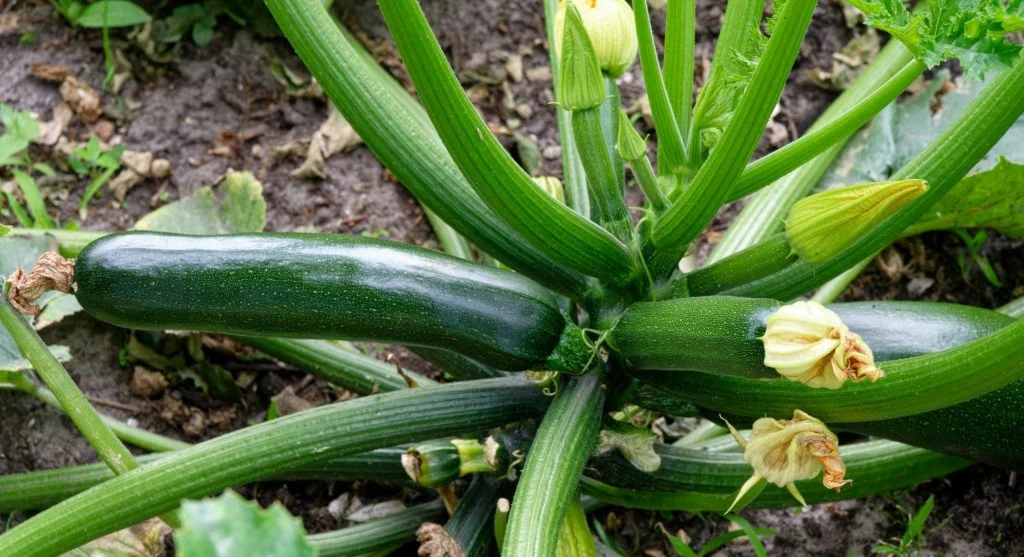

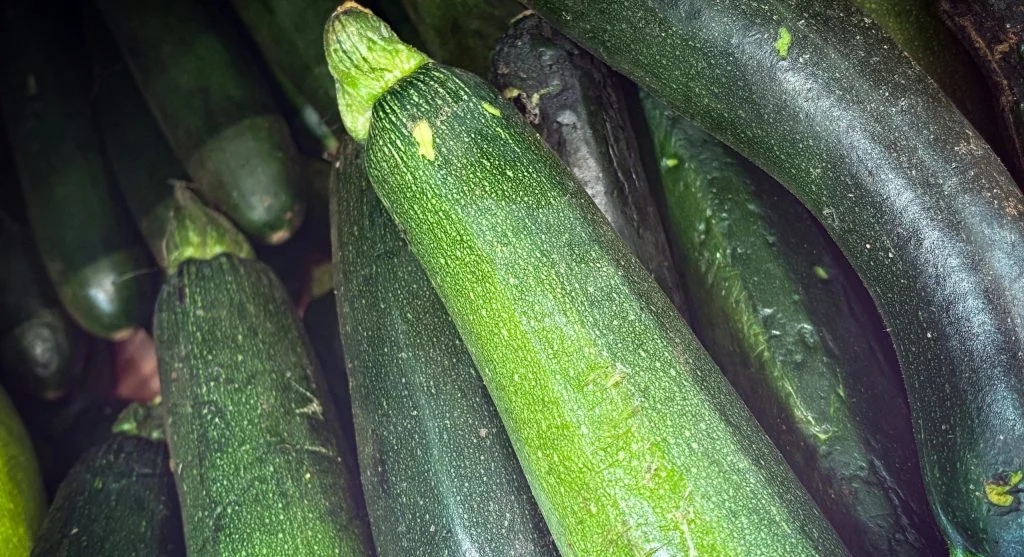
Zucchini has earned its reputation as one of the most productive vegetables in the home garden. It grows so heavily that gardeners often joke about leaving extra bags on neighbors’ doorsteps in the middle of the night. The productivity is not exaggerated: one healthy zucchini plant can produce 6 to 10 pounds of fruit per week during peak season, and two plants are usually enough for most families. The real challenge is not getting zucchini to grow. It is managing the harvest wisely so the kitchen gets a steady, usable supply instead of a sudden glut followed by tired plants and declining production.
Agricultural extension educators point out that most zucchini problems overproduction, oversized fruit, early plant decline, and pest damage come from a handful of common habits. Once gardeners understand how zucchini grows, these issues are much easier to prevent.
Plant Fewer Than You Think You Need
The most important zucchini advice is simple: plant fewer plants than you think you need. Two to three plants are enough for a family of four, providing a steady supply of harvestable fruit from midsummer into early fall. Many beginners plant six or eight plants simply because they have the space, but that usually creates far more zucchini than the household can use.
When the gardener cannot keep up with harvesting, fruit becomes oversized, seedy, and heavy on the plant. Those large fruits take up space, reduce quality, and slow down the production of new zucchini.
Harvest Small and Harvest Often
Zucchini tastes best when it is harvested at six to eight inches long. Many gardeners think this size looks too small, but chefs and experienced growers know it is the stage when zucchini is most tender, flavorful, and useful in the kitchen. At this point, the seeds are still small and soft, the flesh is firm and moist, and the skin is thin enough to eat without peeling.
Fruit left on the plant past 10 to 12 inches often becomes watery, seedy, and spongy. It can still be used for zucchini bread or baking, but it is not as good for grilling, sauteing, or fresh recipes. More importantly, allowing large fruit to remain on the plant tells the plant that its reproductive work is progressing, which slows the formation of new flowers and fruit.
During peak production, harvesting every two days keeps the plant actively fruiting and prevents the oversized-fruit buildup that causes the familiar zucchini surplus problem.
Pollination: Why Fruit Sometimes Rots Instead of Growing
Zucchini plants produce separate male and female flowers on the same plant. Male flowers appear first and grow on thin, straight stems. Female flowers are easy to recognize because they have a small swelling at the base, which becomes the zucchini if pollination is successful.
For the fruit to develop, pollen from a male flower must reach the female flower, usually with the help of bees. When pollination fails or is incomplete, the small fruit at the base of the female flower may start to grow, then quickly turns yellow, shrivels, and rots.
This problem, often called poor pollination or incomplete fruit set, is especially common early in the season when pollinators are not very active. It can also happen during extreme heat, when pollen viability drops. Hand pollination fixes the issue quickly. In the morning, while flowers are open, gardeners can use a small brush or the male flower itself to transfer pollen directly to the stigma of the female flower.
Managing Powdery Mildew: The Inevitable Late-Season Visitor
Powdery mildew shows up on nearly every zucchini plant by late summer. The white, powdery coating on the leaves is caused by fungi that thrive in the warm, humid conditions of late July and August. While powdery mildew cannot be removed from the garden completely, its spread can be slowed with better air circulation, proper spacing, and regular attention.
Spacing zucchini plants 36 to 48 inches apart helps air move through the foliage. Removing the most heavily infected leaves can also reduce pressure on the plant. Preventive sprays of potassium bicarbonate or diluted milk, using 40 percent milk and 60 percent water, may be applied at weekly intervals.
A realistic goal is not to keep zucchini leaves perfect all season. Some late-season mildew is normal. The better approach is to slow its progress and keep the plant productive through September.