
The first year of vegetable gardening often determines whether someone becomes a lifelong grower or gives up after one frustrating season. Extension educators note that most first-year garden failures are not caused by poor soil, bad weather, or simple bad luck. More often, they come from a handful of predictable beginner mistakes that experienced gardeners learned to avoid over time. Recognizing these problems before the first seed goes into the ground gives new gardeners a much stronger chance of success — along with the early harvests that build confidence and keep them gardening for years.
1. Starting Too Big
The most common mistake in a first-year vegetable garden is starting with more space than the gardener can realistically maintain. A 20-by-20-foot garden may sound reasonable at first, but it can quickly demand hours of weekly weeding, watering, and harvesting. For someone who has never managed growing plants before, that workload can feel overwhelming. By midsummer, an overly ambitious garden often turns into a weed-filled source of stress instead of a source of fresh food.
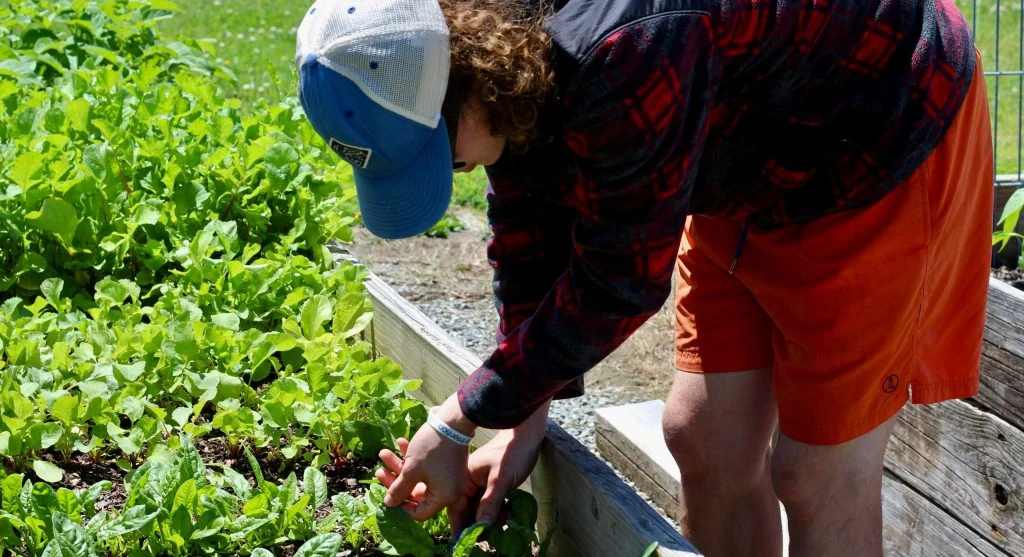
Horticultural educators often recommend that beginners start with a single 4-by-8-foot raised bed or an area no larger than 100 square feet. That size can still produce a useful amount of food while staying manageable with about 30 to 60 minutes of weekly attention. Expanding in later years is much easier once the gardener understands the real time commitment. Scaling back from a garden that is already too large is much harder.
2. Planting in Too Little Sun
Fruiting vegetables such as tomatoes, peppers, squash, cucumbers, and beans need at least six to eight hours of direct sunlight each day. Many first-time gardeners choose a convenient location, such as near the back door or in an unused corner, instead of the sunniest area on the property. A garden that receives only four hours of sun may grow plenty of leaves, but sun-loving crops often produce little or no fruit.
Before choosing a permanent garden spot, it helps to watch the area over the course of a full day. Noting when direct sun reaches the space and when shadows from trees, buildings, or fences move across it gives a much clearer picture of the actual light conditions. That simple observation can determine which vegetables will truly succeed there.
3. Overwatering
New gardeners commonly overwater because the desire to care for plants often turns into daily watering, whether the soil needs it or not. As discussed in several earlier articles in this series, overwatering is usually more damaging than underwatering for most garden crops. Too much water saturates the root zone, pushes out oxygen, encourages fungal disease, and causes roots to stay shallow instead of growing deeper.
The better habit is to check soil moisture by feel before watering. If the soil is still moist two inches below the surface, the plants usually do not need more water yet. Watering only when the soil is dry at that depth helps prevent one of the most common and harmful beginner mistakes.
4. Planting Too Close Together
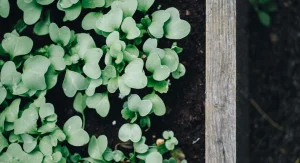
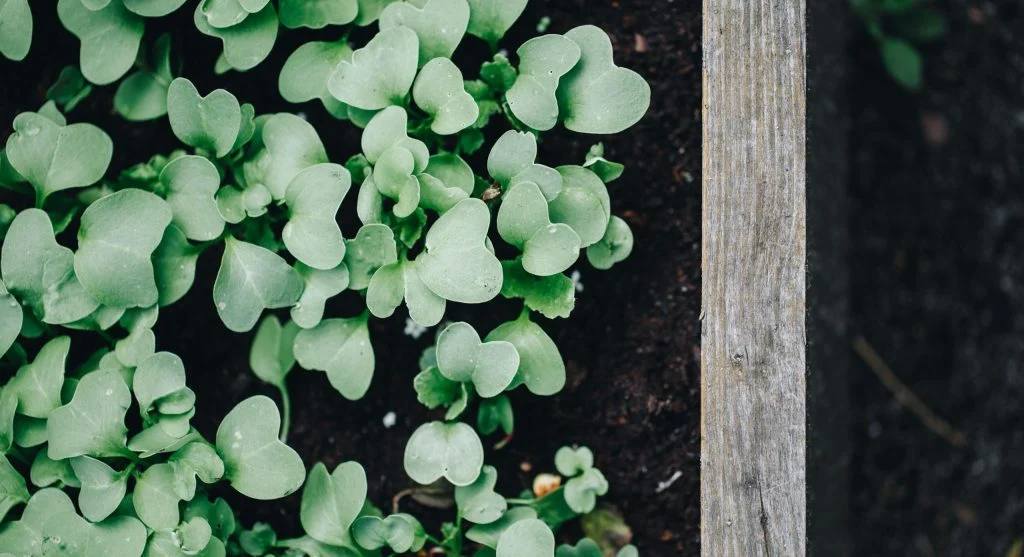
Many beginners want to get the most food possible from a small space, so they ignore spacing recommendations and plant too closely. While crowded seedlings may seem efficient at first, overcrowded plants soon compete for light, water, and nutrients. The result is often smaller yields per plant than a properly spaced garden would produce.
Dense plantings also reduce airflow, creating the humid, still conditions that fungal diseases can take advantage of. Following the spacing guidelines on seed packets or plant tags may make the garden look empty at planting time, but that extra room matters. As the plants mature, they fill the space and perform much better.
5. Neglecting Soil Preparation
Planting directly into untested, unamended native soil is a gamble that often leads to disappointing results. Soil that is compacted, low in nutrients, or out of balance in pH can produce weak plants no matter how carefully the gardener waters, chooses varieties, or manages pests.
A soil test, which usually costs about 10 to 25 dollars through a local extension office, gives new gardeners a clearer starting point. Working two to four inches of compost into the top six to eight inches of soil before the first planting season also improves nutrient levels, drainage, and biological activity. This early investment in soil preparation can continue paying off for years.
6. Growing Only Difficult Crops
Many beginners choose vegetables based only on what they enjoy eating, not on what is easiest to grow. That can lead to discouragement when a first attempt at cauliflower, artichokes, or celery does not turn out well. These crops can be challenging even for experienced gardeners, so they are not always the best place to start.
Forgiving, high-success crops such as lettuce, radishes, bush beans, zucchini, cherry tomatoes, and herbs give new gardeners quicker wins and a smoother learning experience. Once the basics of soil, water, and sunlight are easier to manage, more difficult crops can be added in later seasons with better results and less frustration.
Key Takeaway
The six most common first-year gardening mistakes are starting too big, planting in too little sun, overwatering, crowding plants, skipping soil preparation, and choosing difficult crops too early. Beginners should start with 100 square feet or less, confirm the garden gets 6–8 hours of direct sunlight, check the soil before watering, follow spacing guidelines, test and improve soil with compost, and begin with easier crops like lettuce, beans, tomatoes, and herbs. Avoiding these six mistakes gives first-time gardeners a realistic path toward a productive first season that builds confidence.