
People really don’t understand fertilizer when they garden at home. Loads of gardeners think the way to get better growth is to use more fertilizer, and experts who study soil say this is actually one of the worst things a beginner can do to their plants. Putting on too much fertilizer can actually scorch the roots, mess up the good bugs and organisms in the soil, lead to plants getting the wrong amount of nutrients (which can look like they aren’t getting enough of something), and pollute the water under the ground as the extra nutrients wash away. If you know what people commonly get wrong with fertilizer, and how to easily fix those things, you can feed your plants well without accidentally hurting them.
1. Applying Fertilizer Without a Soil Test
A very common and basic error when using fertilizer is putting plant food on without first knowing what’s already in your soil. In fact, in most gardens that have been around for a bit, there’s usually plenty or even too much of at least a few nutrients. When you add more of something that is already plentiful, you’re just throwing money away and could even cause a build-up of that nutrient. This excess can show up as problems which look a lot like the plant lacking that nutrient, and that might lead you to add even more in a really damaging repeat of the process. A soil test from your local agricultural extension office, costing between fifteen and twenty-five dollars, will remove all the uncertainty, spelling out precisely which nutrients your garden requires and how much of each.
2. Over-Applying Nitrogen
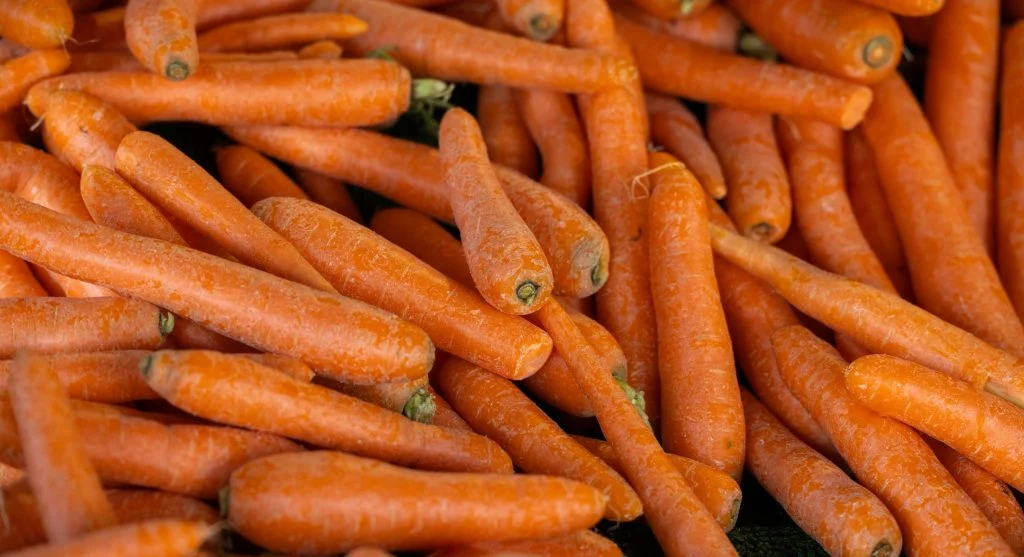
Plants thrive and get that rich green color from nitrogen, and it’s what people tend to use too much of. When you add way too much nitrogen, it makes leaves and stems grow quickly, but then the roots, flowers and developing fruit suffer. For example, tomato plants with lots of nitrogen will have lovely, dark green leaves but won’t actually make many tomatoes. Similarly, carrots and beets will have a lot of growth on top of the ground, but the roots themselves will be small, split or covered in hairs. It’s a lot more successful to give each kind of plant only the amount of nitrogen it needs at each stage of its life, instead of piling a large amount on when you first put it in the ground.
3. Fertilizing at the Wrong Time
When you put fertilizer on at the right time as your plants are growing, it works much better. A lot of fertilizer in late fall, as most plants are going to sleep for the winter, is thrown away as the good stuff drains from the dirt before the next spring. And, if plants are suffering from a lot of heat in the middle of summer, fertilizing them then can hurt their roots which are already weak. For many vegetable patches, a normal amount at the point of planting is best, then a little extra added to the side of them once they’re beginning to make flowers or fruit, because that’s when they need the most nourishment.
4. Placing Fertilizer Too Close to Plant Stems
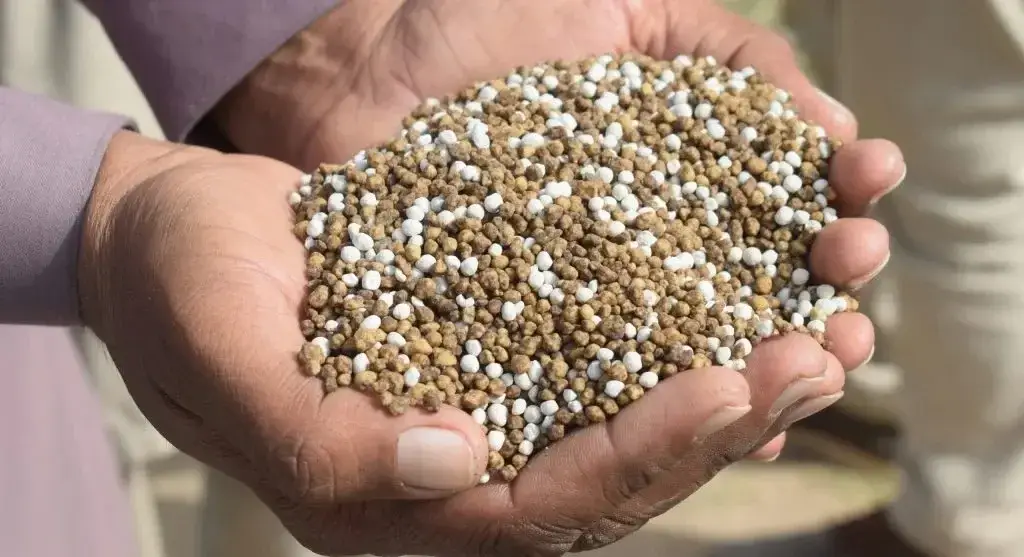
If you get fertilizer that’s very strong right on the plant’s stem or the roots that are near the surface, it’s going to cause a chemical burn. This burn looks like the area touching the fertilizer is turning brown, flopping over, or the plant part is simply dying. When using granular fertilizer, sprinkle it in a circle around where the leaves stop, at the plant’s ‘drip line’, and don’t heap it up against the stem. With liquid feed, be sure to mix it with water to the strength the instructions say and put it on soil that is already damp. Don’t use it on dry soil, as that makes the food too strong in one place and is more likely to burn the roots.
5. Ignoring Organic Matter in Favor of Synthetic Fertilizer
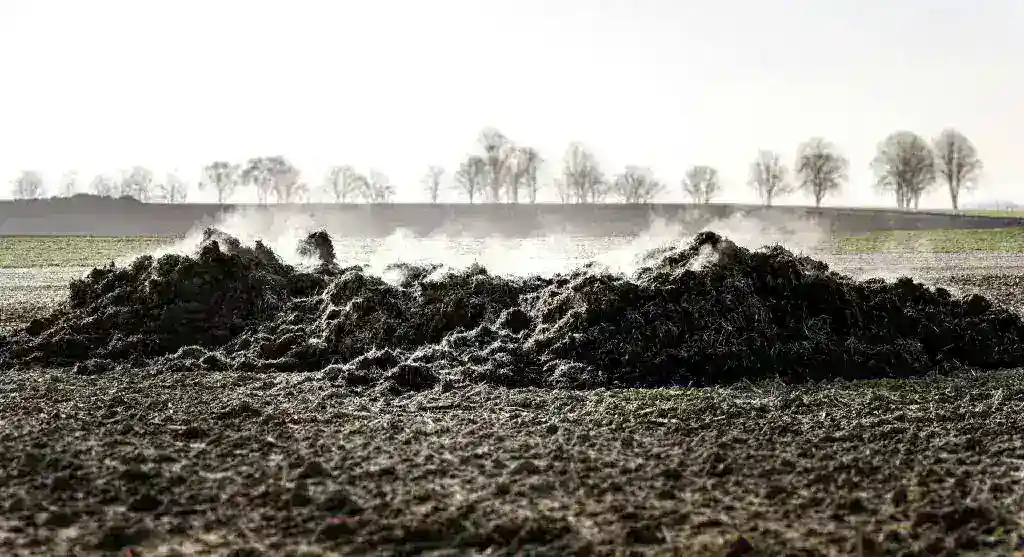
Plants can use the particular nutrients in artificial fertilizer right away, but these don’t do anything for how the soil is put together, its ability to hold water, the range of life in the soil, or how good it will be for growing things over the years. When it comes to artificial fertilizer, soil experts say you’re ‘feeding the plant’ – in contrast to things like compost, old manure, and plants grown specifically to improve the soil, which ‘feed the soil’ itself. A garden that gets only artificial feed each year will frequently end up with soil in bad condition, meaning it will become packed down, water won’t go into it easily, and the number of microbes will fall, and eventually it won’t grow as much, even if you continue to use the fertilizer.
6. Using the Same Fertilizer for Every Plant
You won’t get the best from your plants by using just one fertilizer for everything, as different crops really do have quite different needs when it comes to food. For lots of leaves, leafy greens want a good amount of nitrogen. Tomatoes, peppers – they prefer a middle amount of nitrogen but much more phosphorus and potassium, which help them flower and make fruit. Root crops don’t need much nitrogen at all, but do well with a good dose of phosphorus to build up those roots. And blueberries are a special case: they need a fertilizer that makes the soil more acidic, and that would harm most other kinds of vegetables. You’ll see a definite improvement in how well things grow if you pick a fertilizer for what you are growing, or at the very least, change how much fertilizer you use depending on what type of crop it is.
Key Takeaway
You can easily fix the usual problems with fertilizer. These include putting it on without knowing what your soil actually needs, giving plants too much nitrogen, not fertilizing at the right time, not getting the fertilizer in the best spot, forgetting to include things like compost, and using the same fertilizer for everything in your garden. If you begin with a soil test, build your soil’s richness with organic material, and then only add specific artificial fertilizer exactly when and where plants have a shortage of a particular nutrient, you’ll get stronger plants, a better crop, and better soil overall. Heavy, random fertilizing doesn’t do as good a job.